
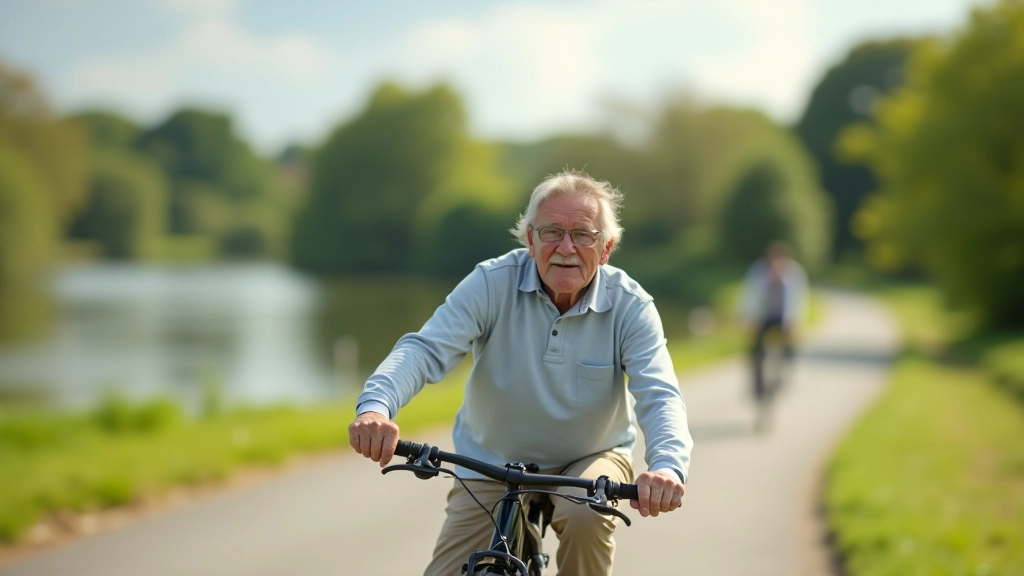
Getting Started: Choosing Your First Senior Bike
Finding the right bike makes all the difference. We cover frame size, seat comfort, and what features actually matter for recreational cycling.
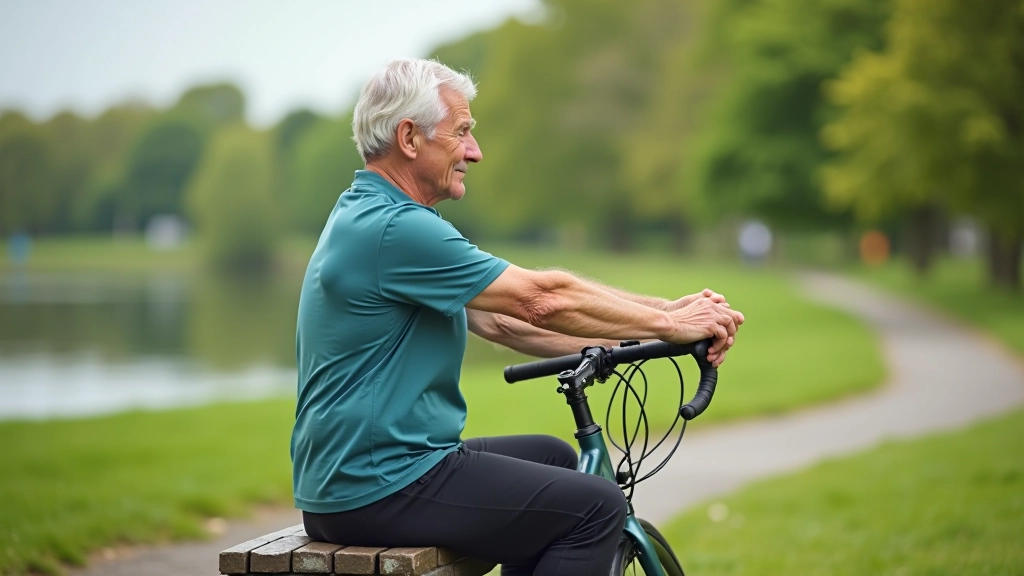
How to gradually increase your cycling distance while listening to your body. Realistic timelines and training strategies for senior cyclists.
Most people think endurance means riding harder. It doesn't. Endurance is about consistency and patience — riding the same 10 kilometers every week until it feels easy, then adding a bit more. That's it.
The secret isn't a secret. You don't need special programs or fancy training. You need a plan that respects your body, a schedule you'll actually stick to, and honest conversations with yourself about when you're genuinely tired versus when you're just bored.
We've seen too many cyclists injure themselves trying to do too much too fast. This guide is about doing it right — getting stronger without the setbacks.
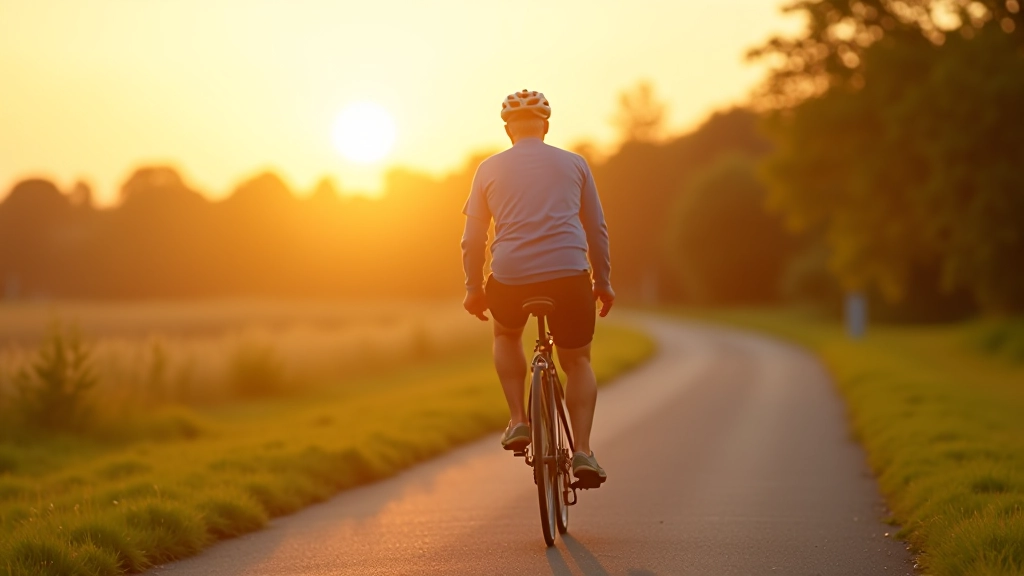
Here's what we've learned works: it takes about three weeks for your body to adapt to a new distance. So if you're riding 12 kilometers comfortably right now, spend three weeks doing that distance twice a week. Don't add distance. Don't rush it.
In week four, add 2-3 kilometers. Not five, not ten. Two or three. Your legs might feel a bit heavier that first week back at the longer distance — that's normal. By week six, you're used to 15 kilometers. Then you hold that for another three weeks.
The math is simple: 3 weeks at current distance → add 2-3km → repeat. In one year, you've added about 30 kilometers to your comfortable range.
Does this sound slow? It is. And that's the point. Slow progress you can sustain beats rapid progress that leaves you injured.

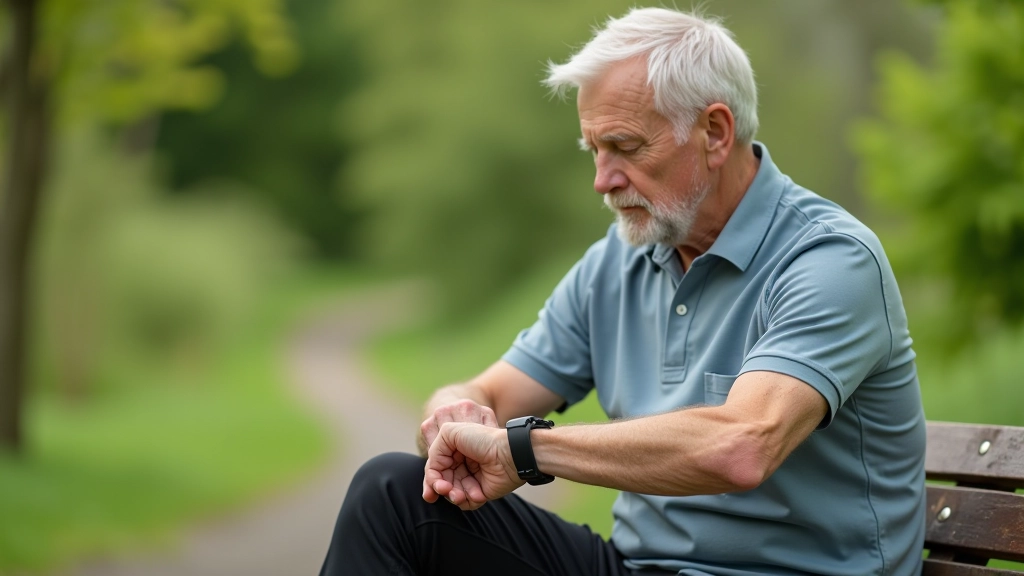
You don't need a fancy heart rate monitor, but they're useful. If you have one, aim for 60-70% of your maximum heart rate on regular rides. That's the comfortable pace where you can talk but not sing.
Without a monitor? Simple test. Can you have a conversation while riding? You're in the right zone. Breathing hard but still able to speak in sentences? Perfect. If you can only gasp out single words, you're pushing too hard.
Most cyclists ignore this. They think harder means better. Then they're exhausted for three days. It's counterproductive. Consistent, moderate effort builds endurance. Occasional hard efforts don't — not at first.
This article is informational and educational. It's not a substitute for professional medical advice. If you're new to cycling or have any health concerns, speak with your doctor before starting a training program. Everyone's body is different — what works for one person might need adjusting for another. Start conservatively and progress at your own pace.
Building endurance is mostly mental. You've got to be honest about how you feel, disciplined enough to stick to a schedule when progress feels slow, and patient enough to let your body adapt. There's no shortcut. But there's also no magic required.
Most cyclists who fail don't fail because they're not strong enough. They fail because they tried to do too much, got injured or burned out, and quit. You're not going to do that. You're going to ride 12 kilometers twice a week. In three months you'll add a bit. In a year, you'll be amazed where you are.
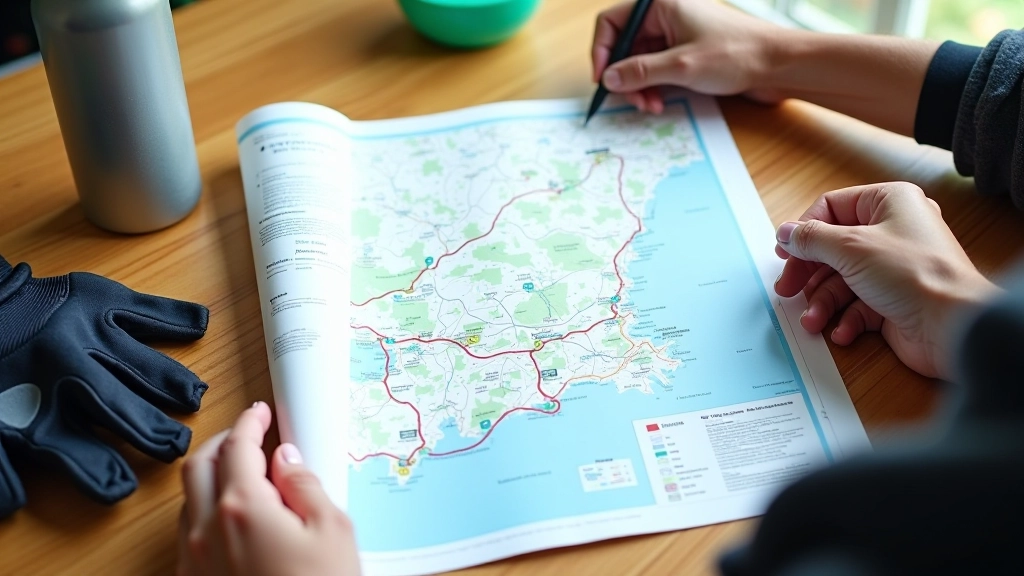
The Limerick to Scarriff greenway is waiting. It's not going anywhere. Neither are you. Get on the bike, find your rhythm, and let time do the work.