

appsgeek Logo Appsgeek Contact Us
Contact Us
Older adult cyclist riding on a flat lakeside path with trees and water visible in background

Getting Started: Choosing Your First Senior Bike

Finding the right bike makes all the difference. We cover frame size, seat comfort, and why lightweight models aren't always better for older riders.

12 min read Beginner May 2026
Máire O'Connor

Author

Máire O'Connor

Senior Cycling & Active Leisure Editor

Máire O'Connor is a senior cycling specialist and outdoor recreation editor with 14 years of experience designing accessible routes for older adults across Ireland.

Why the Right Bike Matters More Than You'd Think

Choosing a bike isn't just about grabbing whatever's available at the local shop. It's personal. A poorly fitted bike leads to back pain, knee problems, and honestly, a lot of frustration. But a good one? That's when cycling becomes genuinely enjoyable — something you'll actually want to do.

We've seen people give up on cycling because their first bike didn't suit them. They'd blame themselves, thinking maybe they were too old or not fit enough. The truth is different. They just had the wrong equipment. Frame size matters. Seat height matters. Handlebar reach matters. Get these things right and everything changes.

This guide walks through what to actually look for — not the marketing hype, but the practical stuff that affects how your bike feels on a 10-kilometer ride or a leisurely afternoon on the Limerick to Scarriff greenway.
Close-up of bicycle frame showing seat height adjustment and frame geometry

Frame Size: Getting the Measurements Right

Frame size is measured in centimeters — usually from the center of the crank to the top of the seat tube. Sounds technical, but it's straightforward. Most manufacturers list their frames as small, medium, large, or by specific measurements like 50cm, 54cm, 56cm.

Here's the practical approach: You'll want roughly 5 to 10 centimeters of clearance between your body and the frame when you're standing over it with the bike between your legs. This matters because it gives you stability and safety, especially if you're getting on or off the bike. And don't rush this part.

The fit test: Straddle the bike. Your feet should touch the ground comfortably. When you're seated and pedaling, your leg should have a slight bend at the knee when the pedal is at its lowest point — not locked straight, not cramped.

Hybrid and comfort bikes often have more upright geometry than road bikes, which means the seat tube is less steep. This is actually better for most older riders because it puts less stress on your back and shoulders. You're not hunched over. You're sitting more naturally.

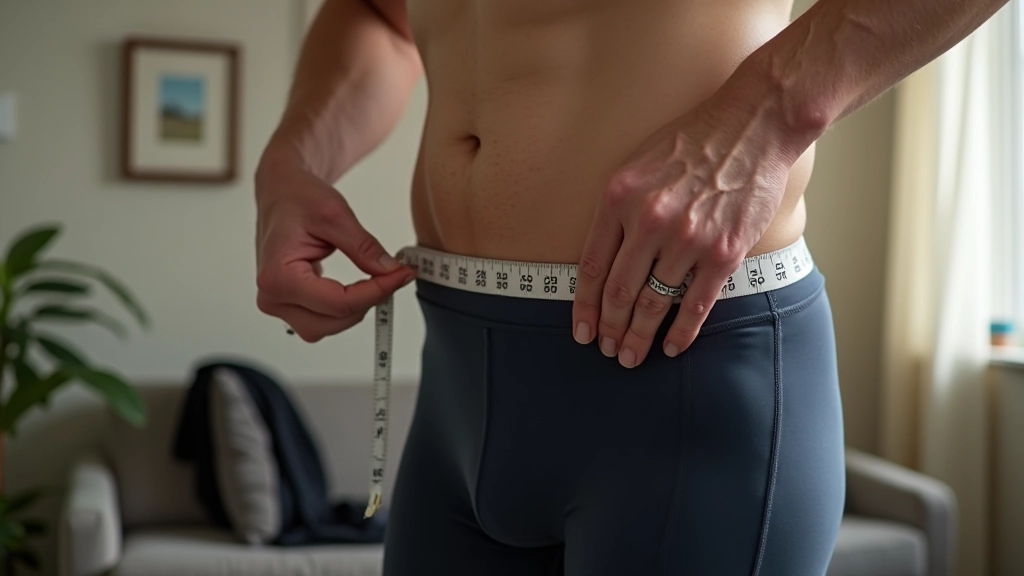
Person measuring inseam with measuring tape for proper bike frame sizing
Comfortable padded bicycle saddle with gel support and ergonomic design

The Seat: Your Most Important Contact Point

You're going to spend your entire ride on this. So don't cheap out on it. A narrow, hard racing saddle? That's torture. You need something wider, something padded, something that actually supports your sit bones properly.

Gel padding is common, and it works. Memory foam options exist too. Some seats are anatomically designed with a central cutout — that reduces pressure on sensitive areas. Women-specific saddles tend to be slightly wider and have different padding distribution than unisex options. That's not marketing; it's actual anatomy.

Height is critical. Too high and you're stretching uncomfortably. Too low and your knees take the impact. When you're sitting on the seat with one foot at the bottom of the pedal stroke, your leg should have that slight bend — about 25 to 35 degrees. Not locked, not cramped. You can adjust this with a seat post that raises and lowers.

Comfort saddles often come standard on hybrid bikes, which is smart. They're wider, better padded, and they don't look like medieval torture devices.

Disclaimer

This article is for informational purposes only. It's not a substitute for professional bike fitting or medical advice. Everyone's body is different — what works for one person might not work for another. If you have existing pain, injuries, or health concerns, it's worth talking to a doctor or professional bike fitter before making changes. They'll look at your specific situation and make recommendations tailored to you, not just general guidance. The goal here is to help you understand what to think about when you're shopping for a bike.

Putting It All Together

Finding your first senior bike doesn't require expensive equipment or cutting-edge technology. It requires the right fit. A frame that matches your height. A seat that supports you properly. Handlebars at a comfortable reach. Get those things sorted and you're already ahead.

Don't feel rushed when you're shopping. Try different bikes. Sit on them. Feel how they respond. Talk to staff at local shops — the good ones will actually listen to what you need, not just push the most expensive option. Take your time. Your future cycling self will appreciate it.

Once you've got the bike sorted, the real adventure starts. Whether it's the peaceful Limerick to Scarriff greenway or exploring your local paths, you'll have equipment that actually works for you. That changes everything.

Senior cyclist riding along a peaceful tree-lined path with water visible in distance