
Safety Gear That Actually Matters
Helmets, visibility, and protection basics. Simple equipment choices that let you ride with confidence on any route.

Why Helmets Are Non-Negotiable
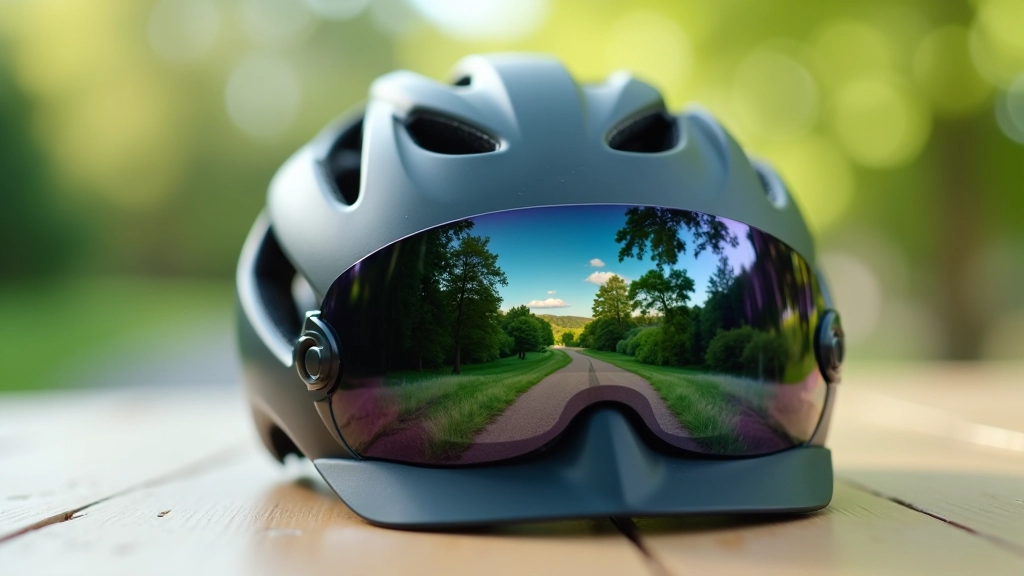
Here's the thing: a helmet isn't optional equipment, it's the single most important piece you'll own. We're not talking about some mandatory rule — we're talking about actual protection for your head. Falls happen. Most of the time they're minor. But when they're not, a helmet makes the difference between a bad day and a life-changing injury.
A proper helmet should fit snugly without rocking side to side. You'll want to wear it level on your head, about two fingers above your eyebrows. It's not comfortable if it's too loose, and it's not going to protect you properly either. Most people don't realize their helmet isn't fitted right until someone points it out.
Key point: Replace your helmet every 5 years, or immediately after any impact — even if there's no visible damage. The foam inside gets compressed over time and loses its protective ability.
Visibility: Making Yourself Seen
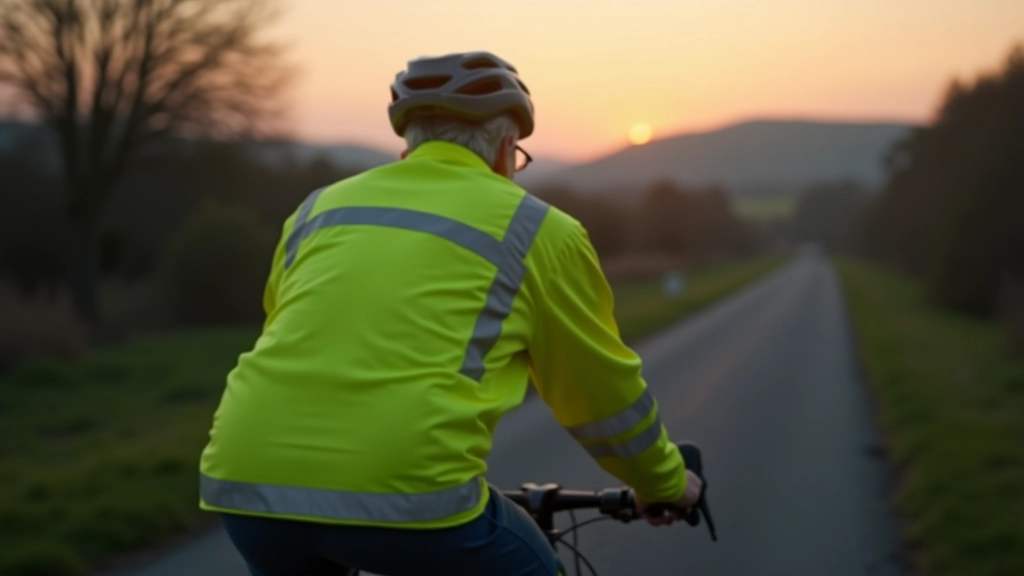
You could have the safest technique in the world, but if drivers can't see you, none of that matters. Visibility isn't just about being seen — it's about being seen clearly from a distance. A bright vest works during the day. Lights work at night. Together, they work all the time.
Front and rear lights aren't luxuries. They're actually required in most places after sunset. A decent set costs about as much as a coffee a week, and you'll use them constantly if you ride year-round. LED lights are bright enough now that they work even in daylight. On the Limerick to Scarriff route, especially in the evenings when shadows get long, lights make a real difference in how visible you are to other trail users.
We're talking about something practical here. A high-visibility vest goes over whatever you're wearing. It's bright enough that people notice you from the moment they look at the trail. Plus, you'll feel more confident riding, knowing you're clearly visible.
Gloves and Padding: The Details That Count
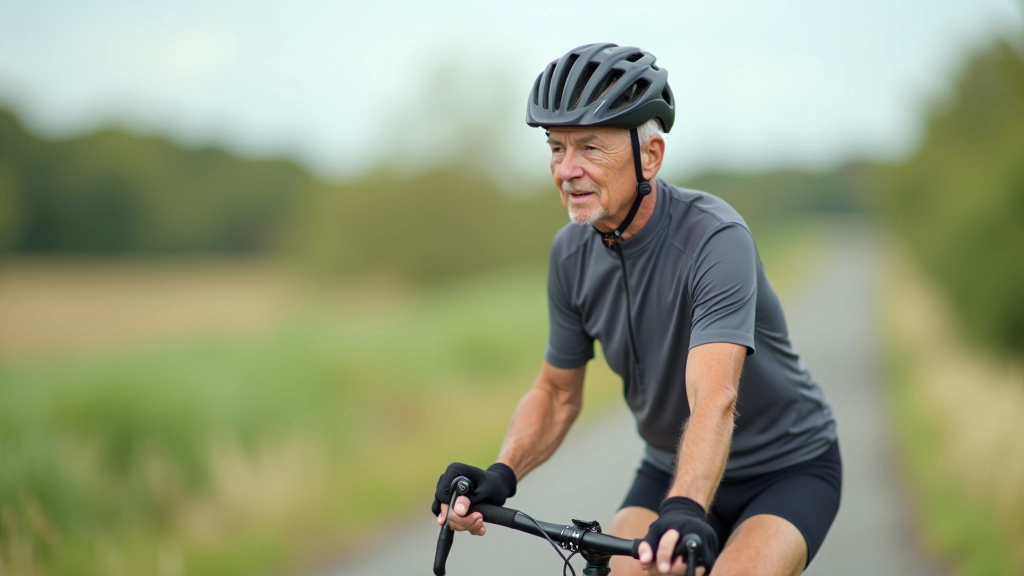
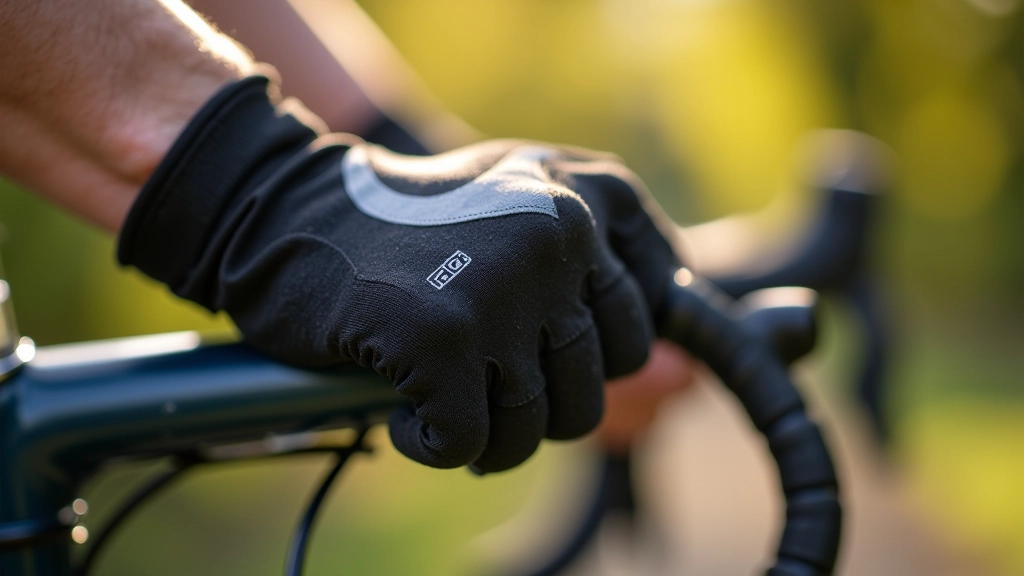
Most people don't think about gloves until their hands hurt. By then, they've already developed calluses or they've had a minor spill. Cycling gloves aren't just about comfort — they're about grip and protection.
Good gloves give you better grip on the handlebars, especially if your hands sweat or if you're riding in wet conditions. They also add a layer of protection if you do fall. A pair of padded cycling gloves will run you about €15-25, and they'll last a full season of regular riding. Look for ones with gel padding on the palm — that's where most of the pressure sits.
1
Gloves with gel padding in the palm and fingers
2
Chamois padding on your cycling shorts or bibs
3
Padded seat cover if you're new to longer rides
4
Wrist support if you've had past injuries
Important Information
This article is provided for informational and educational purposes only. Safety equipment recommendations are based on general best practices for senior cyclists. Every person's needs are different — your age, fitness level, past injuries, and specific conditions all matter. We encourage you to consult with your doctor before starting any new cycling routine, especially if you have mobility concerns or health conditions. Always follow local traffic laws and trail regulations. Safety gear helps reduce risk, but it doesn't eliminate it entirely. Ride within your abilities and listen to your body.
The Bottom Line
Safety gear isn't about being overly cautious. It's about making smart choices that let you ride with confidence. A helmet, visibility gear, and gloves aren't expensive or complicated. They're practical, they work, and they make a real difference.
You're not trying to look professional or win races. You're just trying to enjoy riding on the Limerick to Scarriff greenway or wherever your bike takes you. Good gear helps with that. It lets you focus on the ride itself, not on worrying whether you're protected. That's worth the small investment.
Ready to Ride Safely?
Start with a proper helmet and work from there. Most people find that once they've got the basics sorted, they enjoy their rides much more.
Explore More Cycling Guides