

Getting Started: Choosing Your First Senior Bike
Finding the right bike makes all the difference. We cover frame size, seat comfort, and gearing options that work for real riding.
Read Article →
Master the greenway with detailed route planning, rest stop guidance, and navigation tips for every fitness level

The Limerick to Scarriff greenway stretches nearly 35 kilometres of quiet lakeside cycling through some of Ireland's most scenic countryside. Whether you're planning your first longer ride or looking to build your endurance, this route offers flexibility to match your pace and interests. The path is mostly flat with smooth surfaces — ideal for riders who want genuine views without struggling against steep hills.
What makes this route special isn't just the distance. It's the ability to break it into manageable sections, pause at established rest stops, and actually enjoy the experience rather than just enduring it. You'll pass through villages, cross water features, and discover quiet spots most casual cyclists never reach.
The greenway isn't one unbroken stretch you need to complete in a single ride. It's divided into logical sections that work as standalone rides or combine into longer adventures. The main segments run from Limerick city centre through Ardagh, Ballycumber, and onward to Scarriff at the lake's edge.
Most people don't ride the full 35 kilometres in one go — and you shouldn't feel pressured to. A solid outing for intermediate riders is 15-20 kilometres, which you can achieve in 90 minutes with a couple of breaks. That's roughly the Limerick to Ardagh section, giving you time to notice the landscape without fatigue setting in.
Route Segments: Limerick city to Ardagh (7.5 km), Ardagh to Ballycumber (8 km), Ballycumber to Scarriff (10 km). You can ride any section independently.

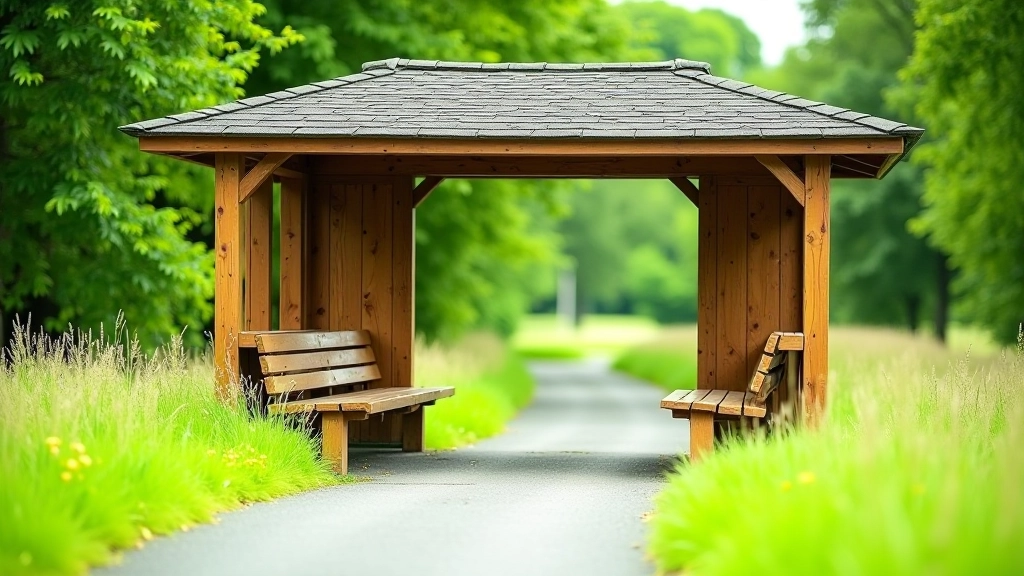
You'll find established rest stops approximately every 4-5 kilometres. These aren't fancy facilities, but they're genuinely useful — picnic tables, water fountains at some locations, and clear directional signage. The stops give your legs a real break and let you recover before pushing on.
What's helpful is planning your route around these stops rather than ignoring them. A 20-kilometre ride works best if you've planned three proper breaks of 10-15 minutes each. Don't try to sprint between stops. You'll be cycling on relatively flat terrain with minimal elevation, so your main challenge is pacing, not climbing.


The route is extremely well-marked. You'll see green and white direction signs at every junction and potential confusion point. These aren't fancy — they're functional and clear. Don't rely solely on GPS if you're riding for the first time. Print a route map or screenshot it on your phone before you leave.
The actual cycling surface is a mix of tarmac and crushed stone paths, both well-maintained. There's nothing technical about the navigation itself. It's following a marked route on mostly flat terrain with clear sightlines. Where it gets interesting is knowing where you want to stop and how that affects your overall ride distance.

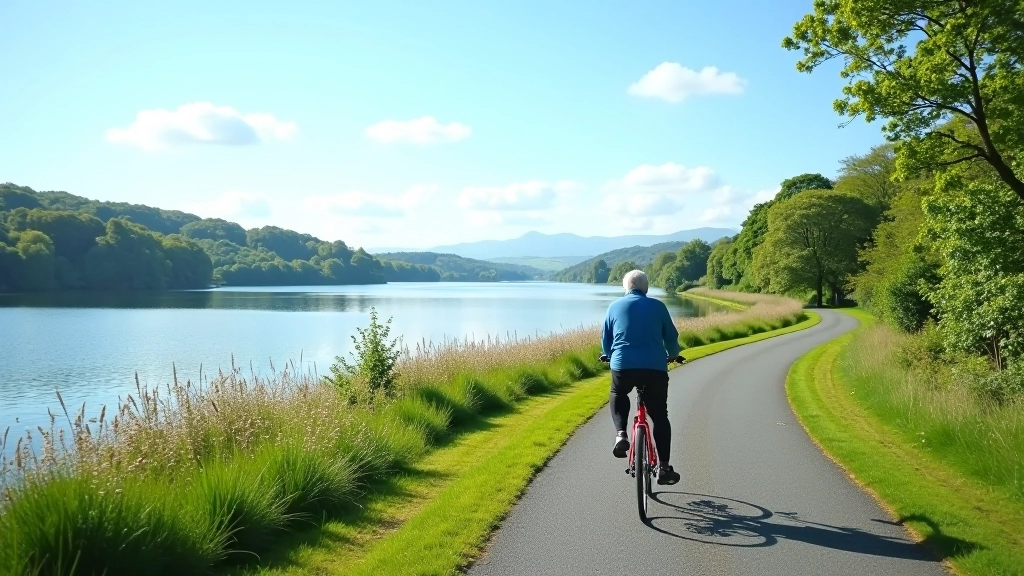
This is where honest self-assessment matters. The route's flatness is genuinely helpful, but distance is still distance. A 20-kilometre ride takes energy and time regardless of terrain. You're not climbing mountains here, but you're still working your legs for 90 minutes to two hours.
If you've been cycling regularly for a few months, the full 35-kilometre route is achievable with a couple of longer breaks. If you're relatively new to cycling, stick to 15-20 kilometres and enjoy the experience rather than rush it. The greenway's design actually supports this — you can start from any point, ride your comfortable distance, and turn around.
There's no prize for completing the whole thing in one ride. What matters is getting comfortable on a bike, building your confidence, and discovering that cycling at your own pace is genuinely enjoyable. Return visits happen naturally once you've experienced the route.
This article provides educational information about the Limerick to Scarriff greenway route and general cycling guidance. Route conditions, facilities, and access may change seasonally or due to maintenance. Always check current conditions before your ride, bring appropriate safety equipment including a helmet, and consider your personal fitness level carefully. Weather, personal health, and bike maintenance all affect your ride experience. If you have health concerns or haven't cycled in a long time, consult your healthcare provider before starting a new cycling routine.
The Limerick to Scarriff greenway works because it doesn't demand anything of you except showing up. You control the distance, the pace, and how many breaks you take. The route simply provides the space and the views while you do the cycling.
Pick a clear morning, check the weather forecast, pack water and a snack, and pick your start point. Whether that's the full 35 kilometres or a comfortable 15-kilometre section doesn't matter. What matters is getting out there and discovering that cycling at your own pace is one of the best ways to experience this part of Ireland.